
Dictating to a coding agent
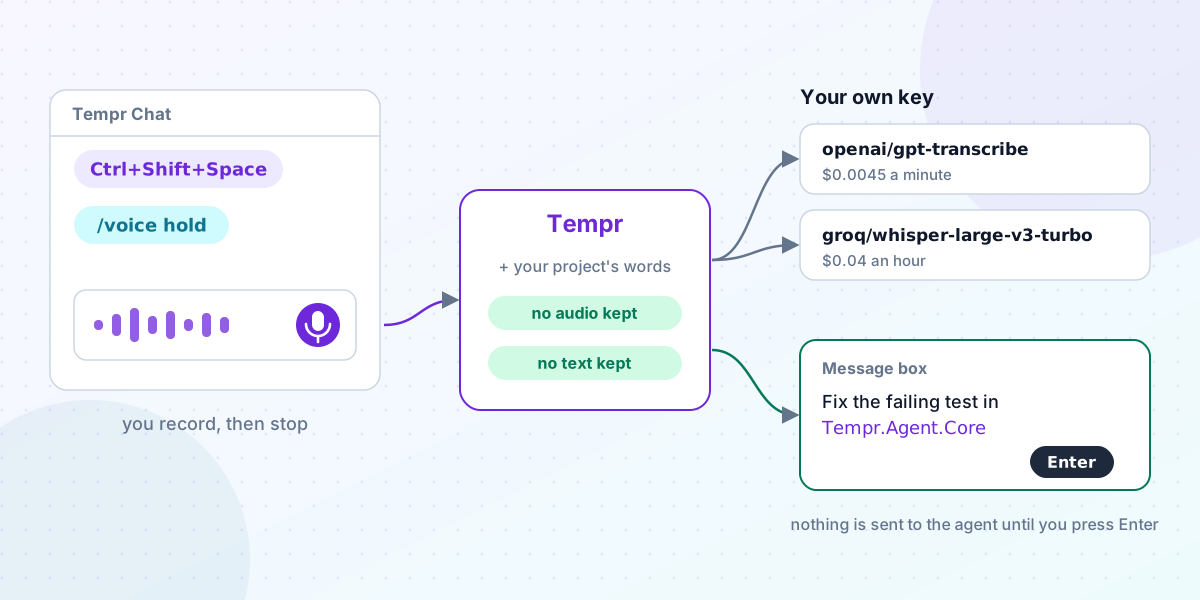
Voice input is out in the Tempr CLI, Tempr Chat for VS Code, JetBrains IDEs and Visual Studio, and the Tempr Code preview, transcribed on your own key.
How Tempr works, why it works that way, and what we learn running one product across every AI provider.
Voice input is out in the Tempr CLI, Tempr Chat for VS Code, JetBrains IDEs and Visual Studio, and the Tempr Code preview, transcribed on your own key.
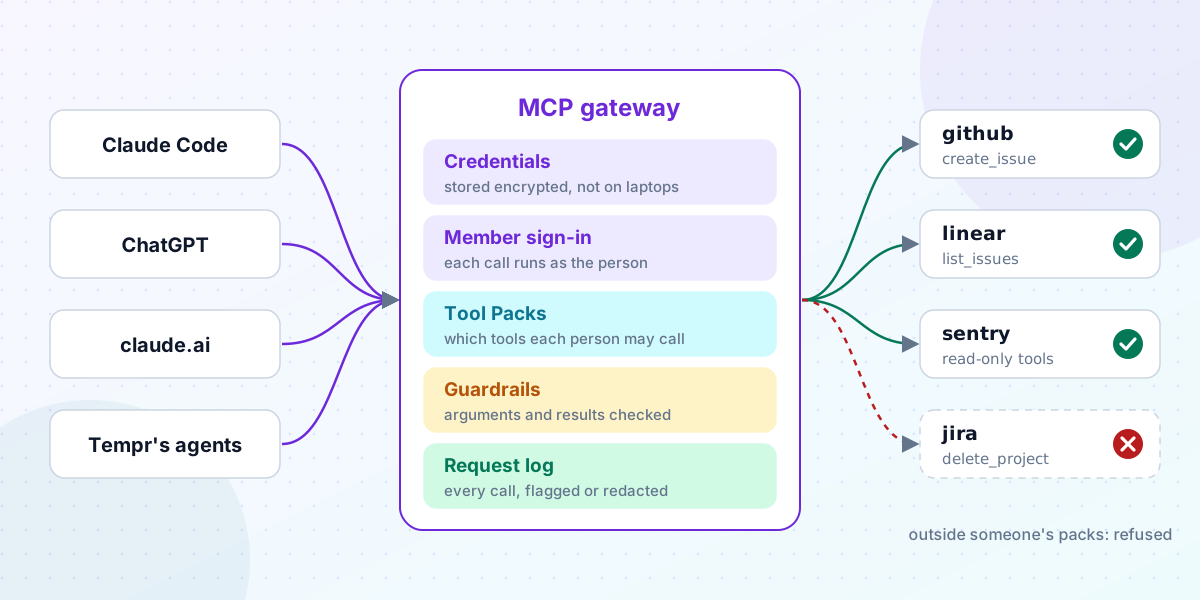
One developer can wire up MCP servers by hand. A team needs five things from a gateway in between: credentials, sign-in, permissions, checks and a record.
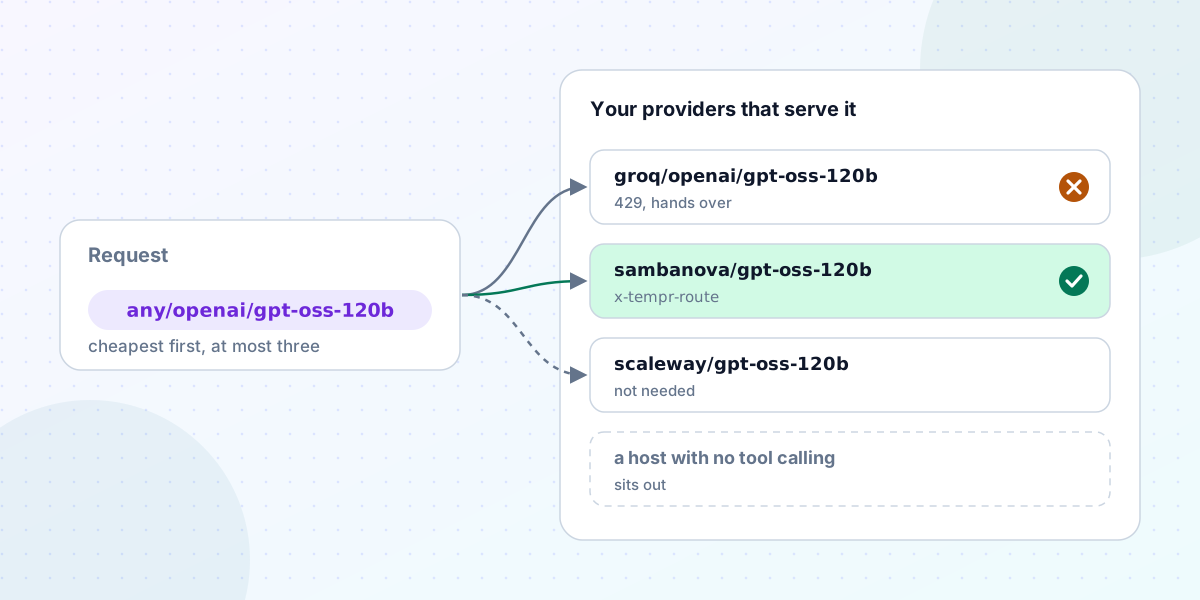
Open-weight models run on many hosts under different ids. Gateway pools let you name the model once and run it on whichever of your providers serve it.
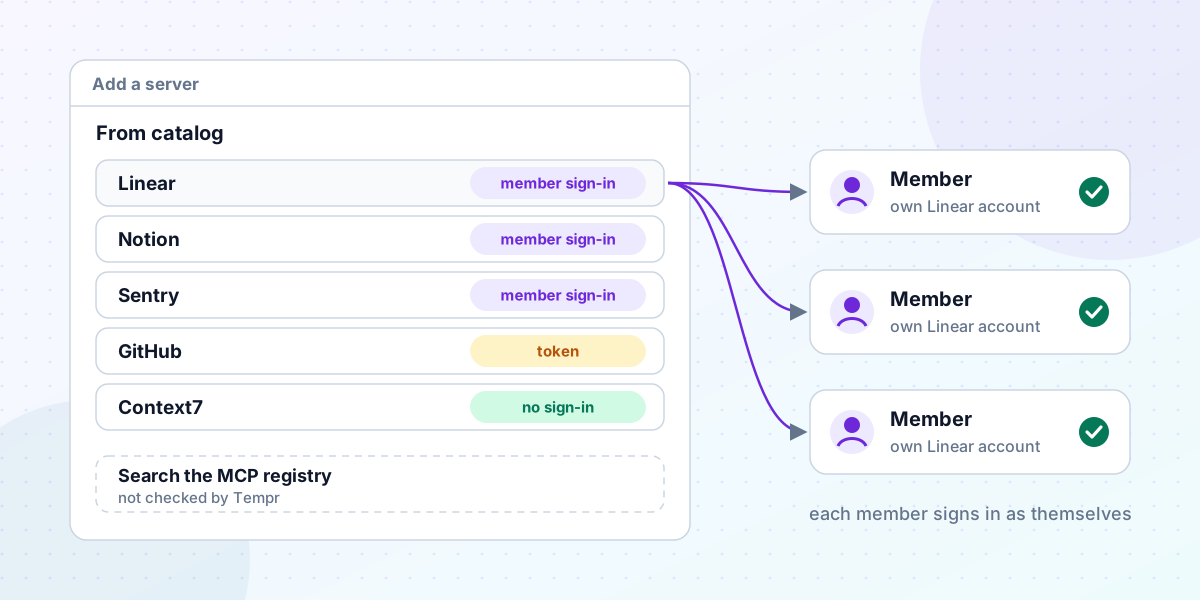
The Portal now lists 60 checked remote MCP servers and searches the MCP registry. What "checked" means, and why each member signs in as themselves.
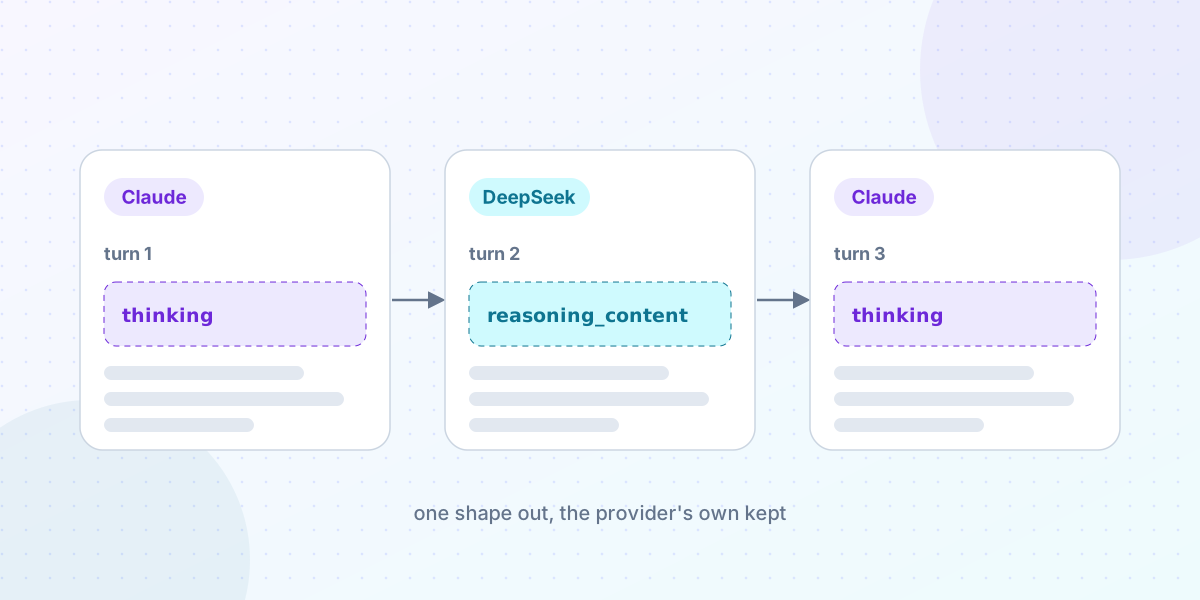
Every provider returns reasoning in its own shape, and some need it back next turn. How Tempr returns one shape and keeps conversations working across models.
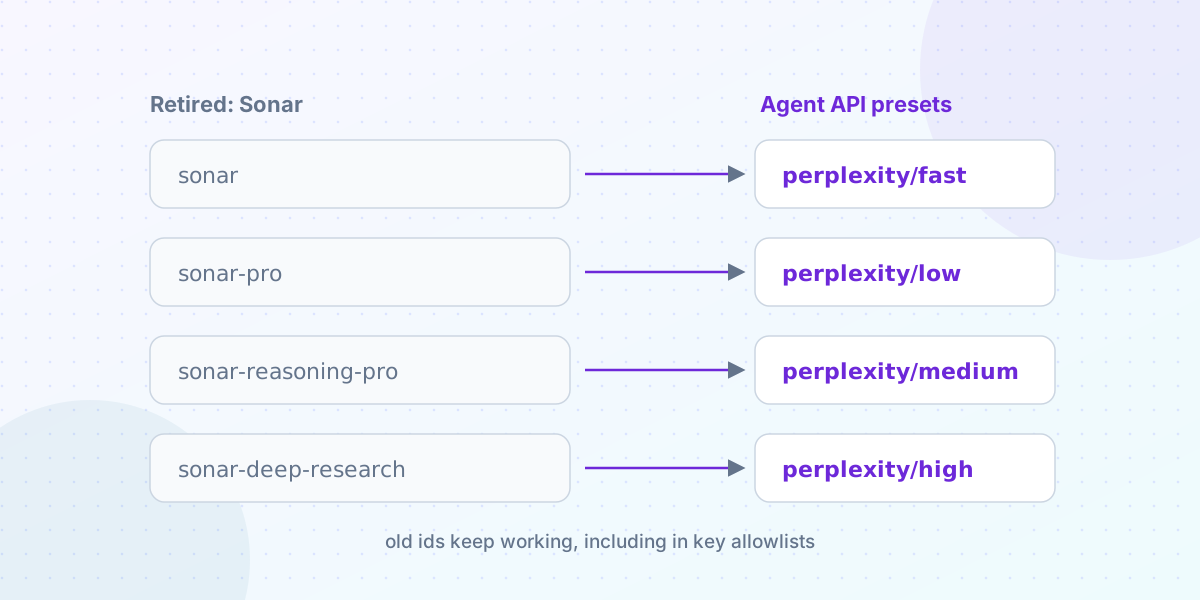
Perplexity replaced its Sonar chat completions with a new Agent API, retired on September 27. What changed for Tempr users, and how Tempr handles retirements.
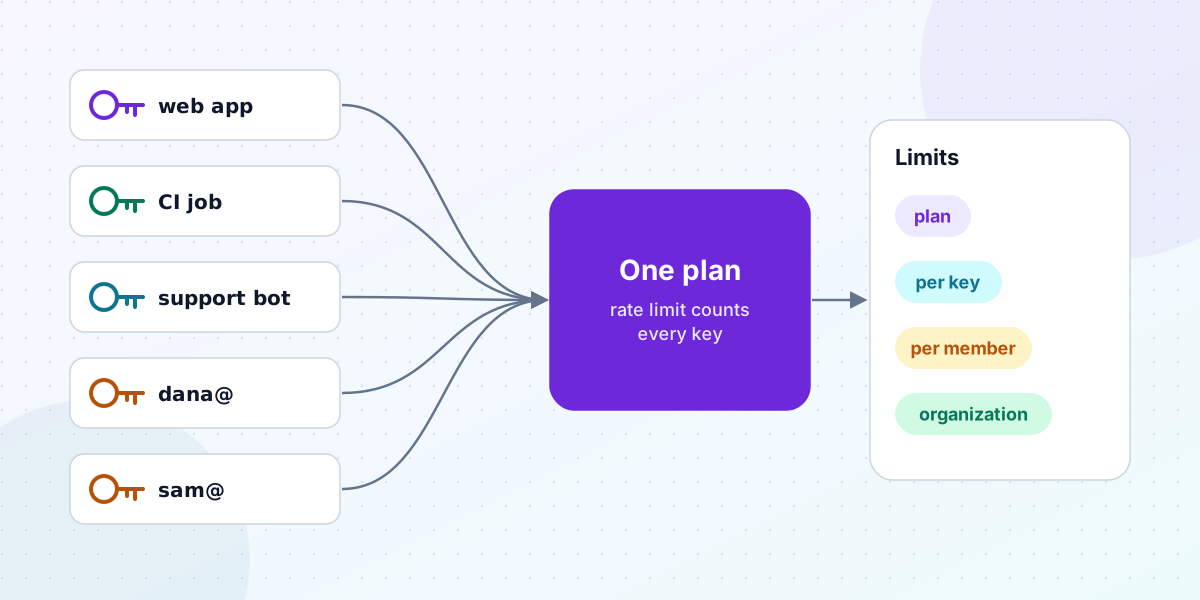
A team has a Gateway key for each app, CI job and person. How Tempr's plan limits, key limits, member budgets and organization caps fit together, and why.
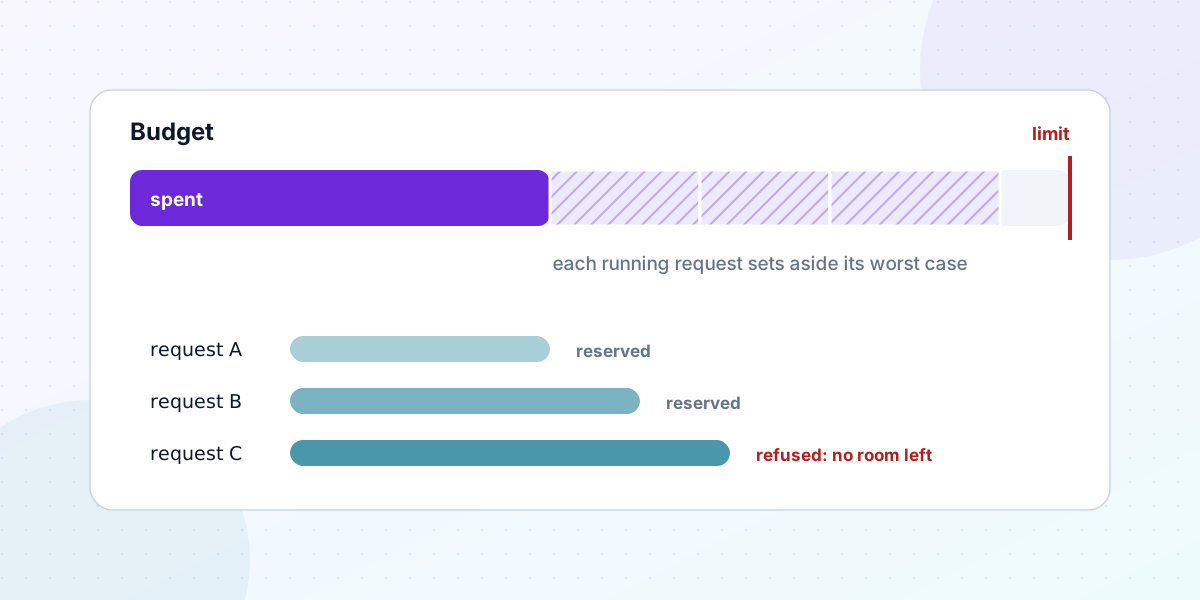
A plain budget check lets concurrent requests overspend together. How Tempr's Strict option reserves each request's worst case, and why it's off by default.
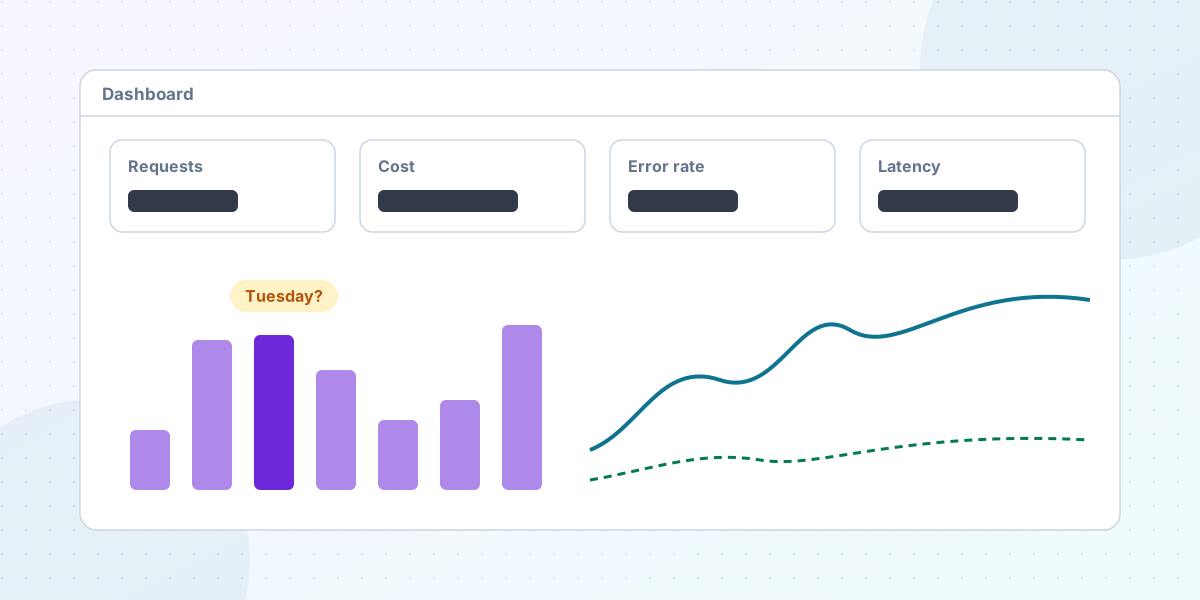
The questions a team asks about its model traffic, like why cost jumped or which customer is spending, and where the Tempr Portal answers each one.
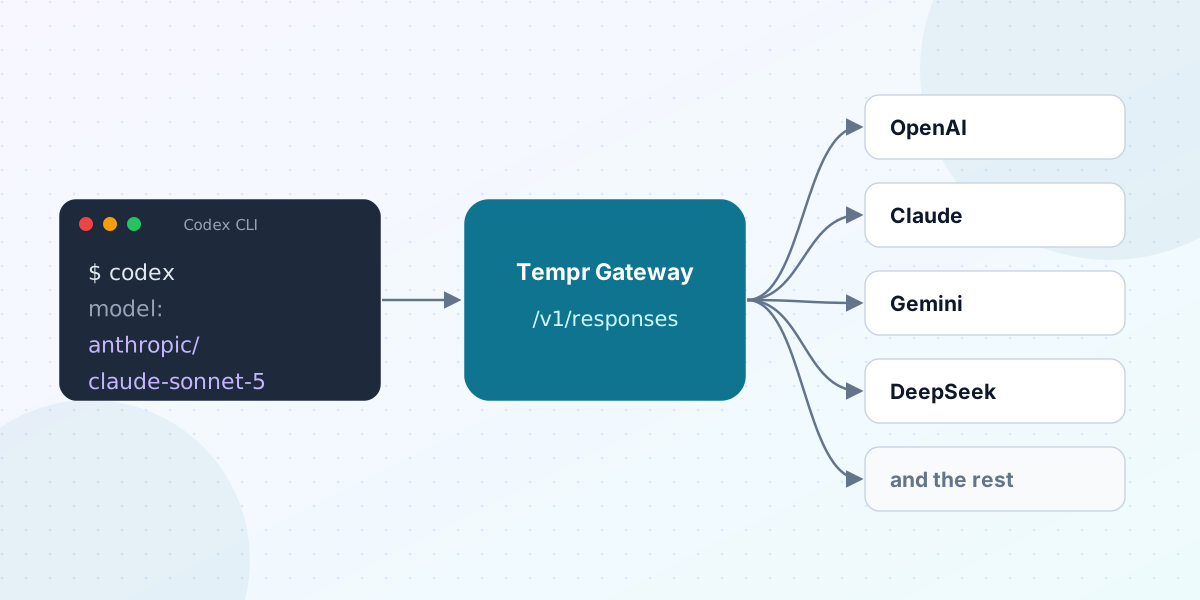
Codex CLI speaks OpenAI's Responses API. How Tempr Gateway's /v1/responses runs it on Claude, Gemini, DeepSeek and more, what carries over, and what doesn't.
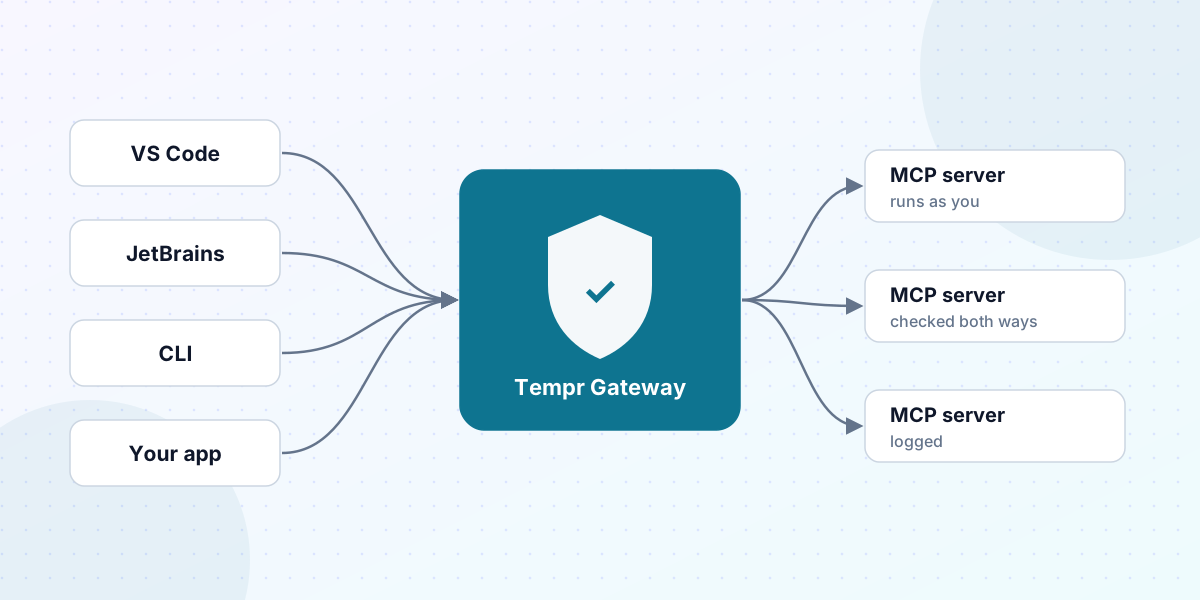
MCP gives coding agents real tools, plus tokens on every laptop and shared bot accounts. How Tempr's Gateway relays MCP so calls run as the right person.
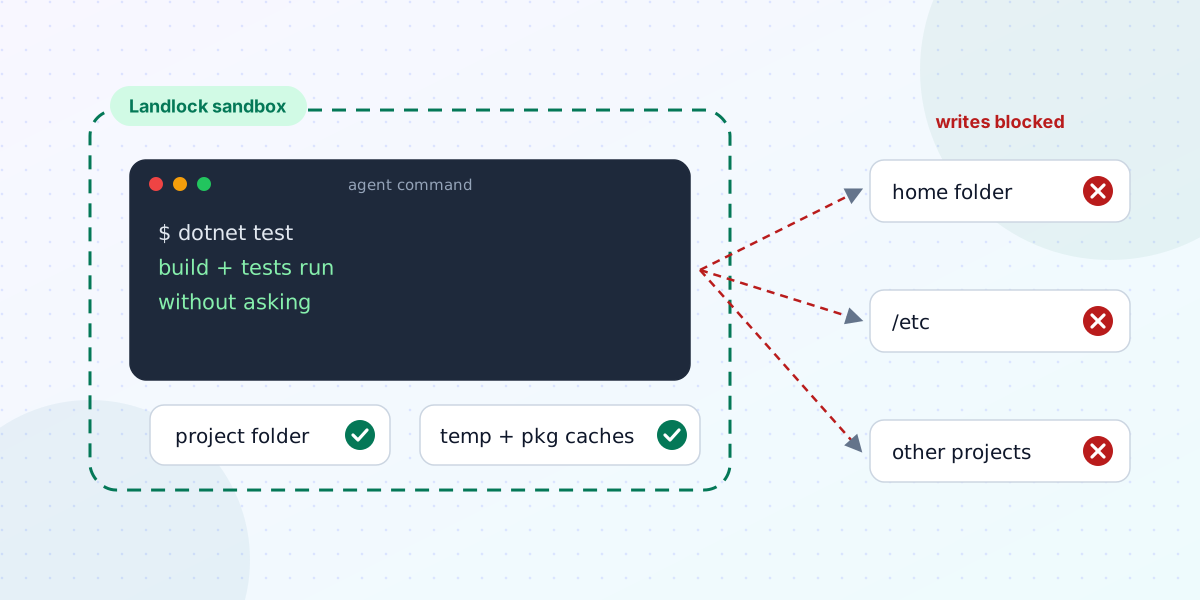
How the Tempr CLI lets an agent run any build or test command without asking, by limiting what it can touch, and why we built it on Linux's Landlock.
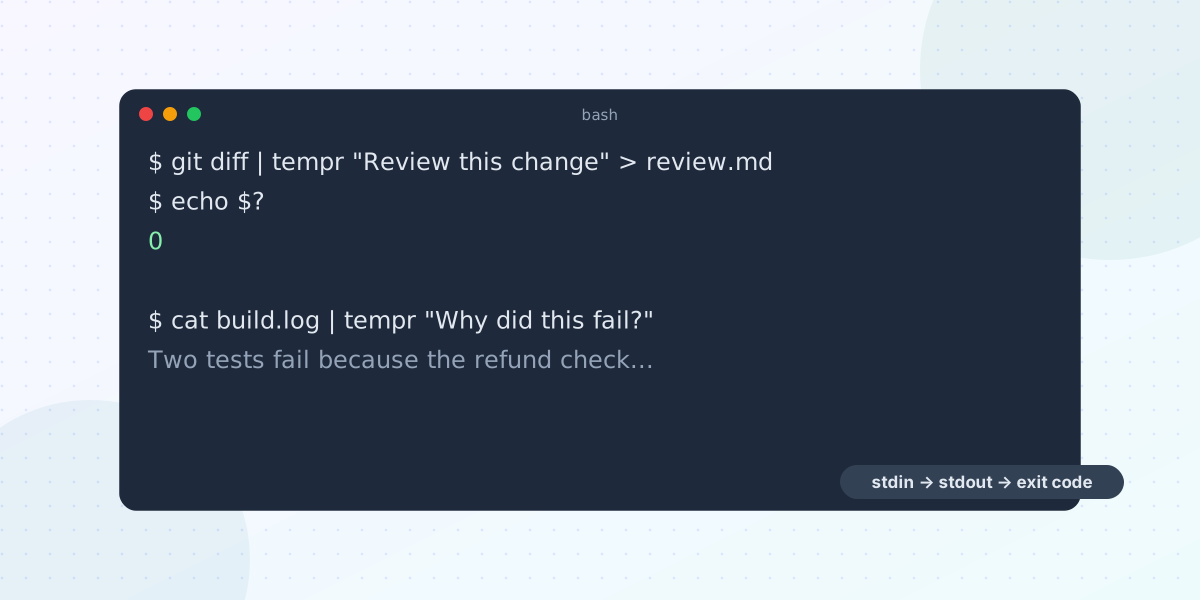
The Tempr CLI reads stdin, writes stdout and exits with a meaningful code, so an agent fits a shell pipeline or CI job. Patterns that work, and what we fixed.
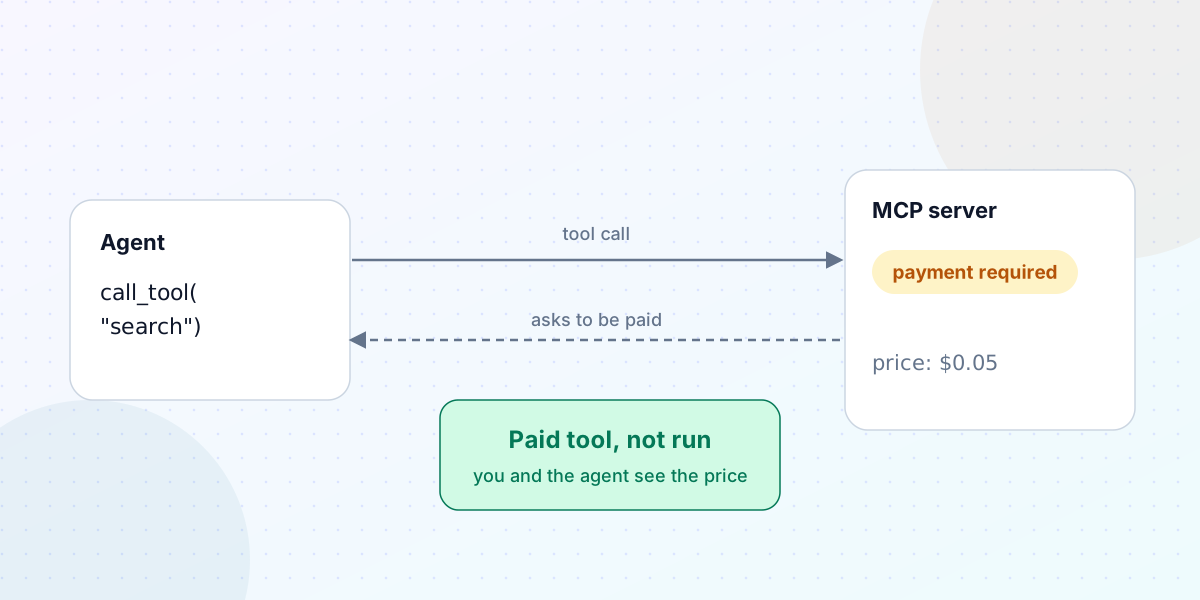
Some MCP servers now charge per tool call, through x402 or MPP. Why Tempr doesn't pay, and how it makes the refusal clear instead of a confusing error.
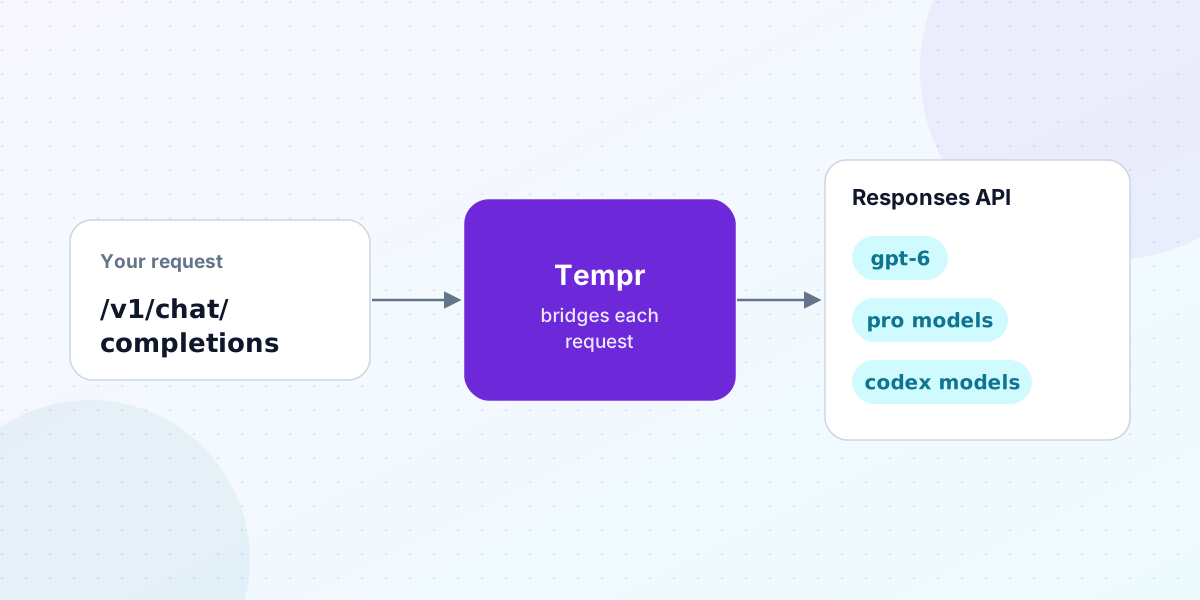
OpenAI's pro, codex and newest gpt-6 models work partly or only on its Responses API. How Tempr bridges chat completions to them so your tools keep working.
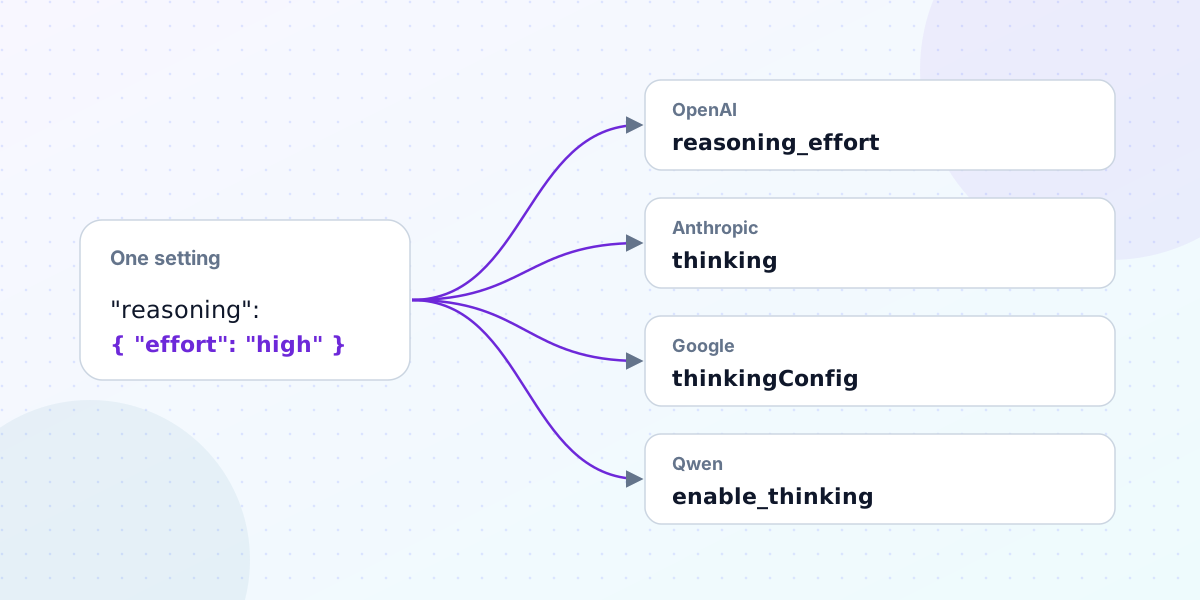
Every AI lab names its reasoning controls differently, and one model can act differently on two hosts. How Tempr gives you one setting that works everywhere.
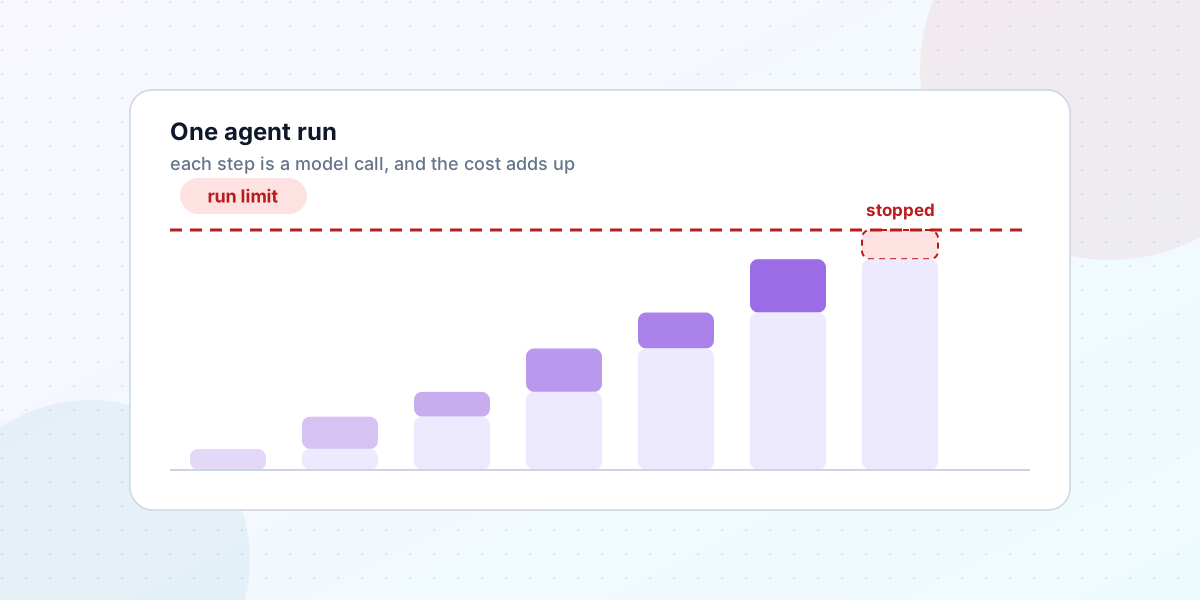
An agent run's cost can't be known in advance. How Tempr lets you, and your organization, cap what one run may spend and see which runs cost the most.